
Gene Gleason

  • Before You Give Property Away: Estate-Planning Questions to Ask

    Before You Give Property Away: Estate-Planning Questions to Ask

    Giving property to children or other family members during life can feel like an easy way to simplify an estate. Sometimes a gift fits the larger plan. Sometimes it creates tax, creditor, ownership, or family problems that are difficult to reverse. A gift means giving up control An outright gift generally belongs to the recipient. The property may become exposed to that person’s creditors, divorce, poor decisions, or unexpected death. Adding someone to a deed or account is not merely a convenience; it can create real ownership rights. Tax rules are more complicated than the annual exclusion The federal annual… Read More


  • How to Fund a Living Trust: A Practical Checklist

    How to Fund a Living Trust: A Practical Checklist

    Creating a living trust is only the beginning. Funding is the process of connecting property to the trust through title, assignment, or coordinated beneficiary planning. Without it, the trust may not control the assets it was designed to manage. Start with an asset inventory Homes, rentals, and other real estate Bank and nonretirement investment accounts Business and partnership interests Vehicles and valuable personal property Retirement accounts and life insurance Digital assets and contractual rights Real estate usually requires a deed Moving California real estate into a trust commonly involves a new deed and related documentation. The legal description, existing loan,… Read More

  • Does a Will Avoid Probate in California?

    Does a Will Avoid Probate in California?

    A will is one of the most important estate-planning documents, but it does not keep property out of probate simply because it exists. In fact, a will is generally a set of instructions for the probate court. What the will does A California will can name an executor, direct the distribution of probate assets, nominate guardians for minor children, and create trusts that begin after death. If a probate is required, the court reviews the will and supervises the administration. Assets that may pass outside the will Property properly held in a living trust Accounts with valid beneficiary or payable-on-death… Read More

  • What Should a California Advance Health Care Directive Cover?

    What Should a California Advance Health Care Directive Cover?

    An advance health care directive gives a trusted person authority to make health care decisions if you cannot communicate and lets you record the values or instructions that should guide those decisions. Choose an agent who can act under pressure Your agent may need to speak with physicians, weigh treatment options, review records, and communicate with family members during an emotional time. Choose someone who understands your priorities, can ask questions, and is willing to carry out your wishes even when others disagree. Name backups Your first choice may be unavailable, ill, traveling, or unable to serve. Naming one or… Read More

  • Successor Trustee vs. Power of Attorney: Who Handles What?

    Successor Trustee vs. Power of Attorney: Who Handles What?

    A living trust and a durable power of attorney can both help during incapacity, but they do different jobs. A complete estate plan often uses both because neither document reaches every asset or decision. The successor trustee A successor trustee manages property governed by the trust when the conditions in the document are satisfied. That may include a home, investment accounts, or business interests properly transferred to the trust. The trustee’s authority is limited to trust property and the powers provided by the document and law. The agent under a power of attorney A durable power of attorney authorizes an… Read More

  • I Was Named Successor Trustee. What Do I Do First?

    I Was Named Successor Trustee. What Do I Do First?

    Being named successor trustee is a sign of trust, but it is also a legal job. After a death or incapacity, the trustee must act carefully, keep records, communicate appropriately, and follow the trust rather than family assumptions. Your first practical steps Locate the signed trust and every amendment. Confirm what event gives you authority to act. Secure the home, vehicles, records, and other property. Identify accounts, debts, insurance, taxes, and recurring expenses. Order certified death certificates when administration follows a death. Keep trust money separate from your own funds. Create a written record of receipts, expenses, and decisions. Identify… Read More

  • When Should You Review Your Estate Plan?

    When Should You Review Your Estate Plan?

    An estate plan is a snapshot of your wishes, family, property, and chosen decision-makers at a particular moment. Life keeps moving after the documents are signed. A plan that was sensible ten years ago may no longer describe the life you have today. Review after a major life event Marriage, separation, or divorce Birth or adoption of a child or grandchild Death, illness, or incapacity of a beneficiary or decision-maker Purchase or sale of a home, business, or other important asset A move to California or another state A significant change in finances or family relationships Confirm the people you… Read More

  • The Lifetime Benefits of a Living Trust

    The Lifetime Benefits of a Living Trust

    A living trust is often discussed as a way to transfer property after death. That is important, but it is only half the story. A thoughtfully prepared and funded trust can also provide a practical structure while you are alive. Continuity if you become unable to manage finances A revocable living trust can name a successor trustee to manage trust property if illness or injury prevents you from acting. That person’s authority comes from the trust document, subject to its terms and California law. This planning can be especially valuable when a home, rental property, or closely held business needs… Read More

  • What Happens During Probate?

    What Happens During Probate?

    Probate is the California court process used to transfer certain property after death, address valid debts, and authorize distribution to heirs or beneficiaries. The word can sound intimidating, but the process becomes easier to understand when it is broken into stages. 1. Determine whether probate is needed Not every asset belongs in probate. Trust property, jointly owned assets, and accounts with valid beneficiary designations may pass another way. California also provides simplified procedures in some circumstances. The asset type, ownership, value, and current law must be reviewed. 2. Ask the court to appoint a representative The process typically begins with… Read More

  • What a California Estate Plan Usually Includes

    What a California Estate Plan Usually Includes

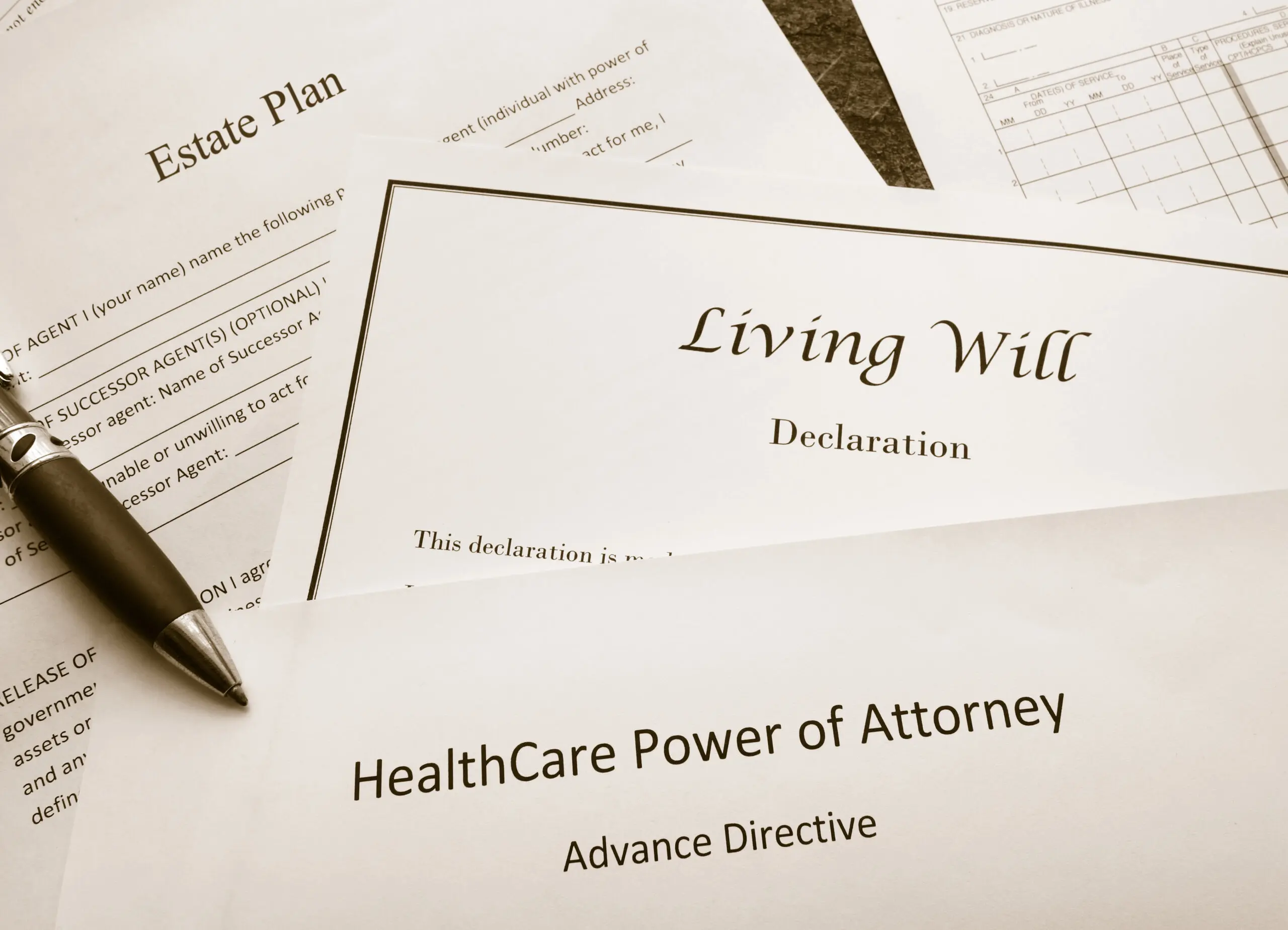
    A useful California estate plan is a coordinated set of instructions—not a single document. Each part handles a different question: who manages property, who makes medical decisions, who receives assets, and what happens if you become unable to act. 1. A will A will names an executor, directs probate assets, and can nominate guardians for minor children. In a trust-based plan, a pour-over will also provides a backup for assets left outside the trust. 2. A revocable living trust A living trust can provide ongoing management of properly transferred property during life, incapacity, and after death. It names a successor… Read More